

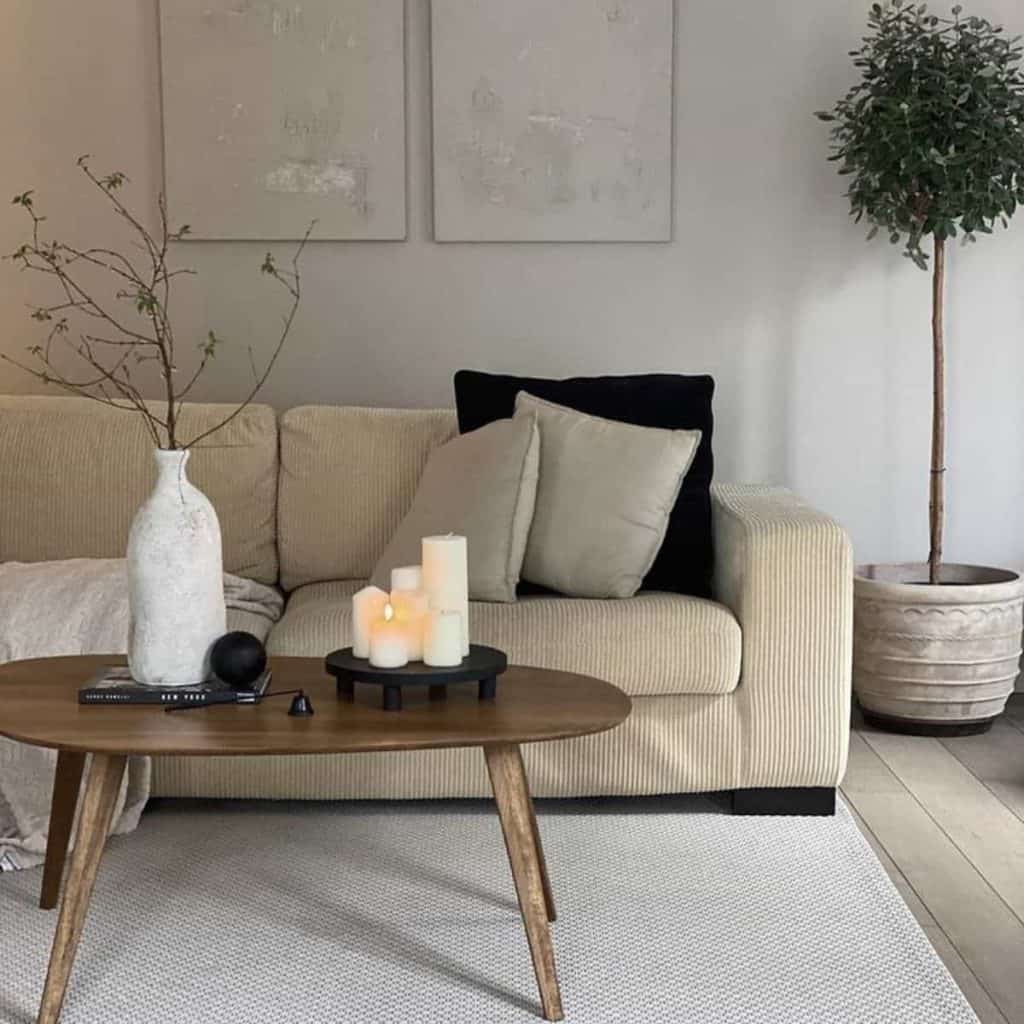
Wabi sabi interior design is a Japanese style that celebrates life’s imperfections. The term “wabi” (侘) refers to living with simplicity and oneness with nature. Meanwhile, “sabi”(寂) refers to accepting everything wherever it is in its life cycle, flaws and all.
Although the design philosophy is Japanese, it derives from Chinese Zen Buddhist philosophy. Wabi-sabi adopted the Zen Buddhist idea that nothing is ever perfect, complete, and permanent.
Applying wabi sabi interior design principles to your home can help you find joy in your everyday life despite flaws and imperfections. Wabi-sabi may seem completely different from your current style, but you can apply the Japanese design principles in small ways to turn your home into your sanctuary.
So, follow these wabi-sabi design studio tips to bring a bit of wabi-sabi into your home.
Jump to:
- Less is More
- Accept Imperfections
- Use Natural Materials
- Embrace Asymmetry
- Use a Palette of Earthy, Neutral Tones
- Rid Your Home of Excess
- Repurpose or Upcycle Pieces You Already Own
- Find Beauty in Broken Items
- Choose New Pieces with Intention
- Add Personal Touches
- Add Plants and Other Natural Elements to Your Home
- Make Your Home Look Cozy
- Stimulate Your Senses
Less is More
Wabi sabi interior design is all about simplicity. While stores ply us with unlimited home goods, marketed to make us feel that we need them, all these extra items can make our homes feel cluttered and chaotic rather than the peaceful homes we want.
How to achieve this look
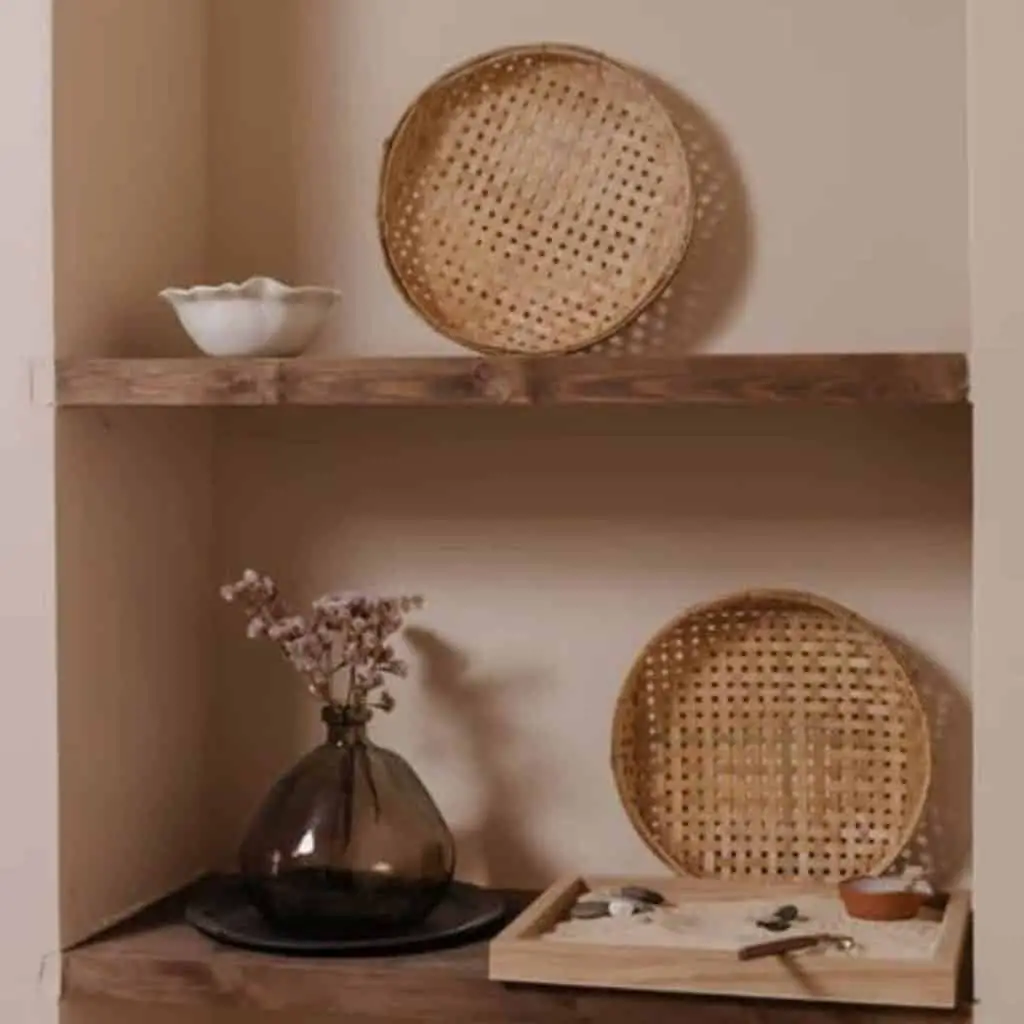
Instead of filling a shelf with books, plants, trinkets, and knick-knacks, choose one or two statement pieces and leave space around them. As a result, the space around an item makes it a focal point. Moreover, having less clutter will help you feel more peaceful and relaxed in your home.

- ANTIQUE MEDICINE BOTTLES: Place these vintage bottles on a shelf or table to add class to your space.
- LOVELY COLORS: Our jars come in a wide range of colors that bring country farmhouse charm to your home.
- DECOR: Use this set as vases for long-stemmed flowers or as centerpieces for wedding decorations.
- MEMORABLE GIFT: Purchase these bottles as a gift for a stylish friend or design-savvy family member.
- FEATURES: Our amber 5.25" x 2.5" bud bottles have a thin neck and sturdy base to easily hold decor.

- Size: 7" round 0.6" high. Been selling for 5 years, keep upgrade its quality.it is a small Hexagon hollow tray,mostly used for deocoration,mini cute natural color.
- Healthy Eco Friendly Natural Material - Polished Bamboo. Suit for Food Container, Room Decor.New Arrival Bamboo Woven Flat Shallow Tray for Food Holder Wall Ceilling Decor.
- 100% Delicate Handwoven Weaving Process. Make Each Shllow Basket Tray Special and Beautiful. Suit for Kitchen Storage Fruit Basket, Dinning Table Decor, Food Snack Storage, Drying Rack.
- Bulk Price Weaved Bamboo Tray for Choice: Bamboo White & Bamboo Green. Hollow (Square,Hexagon),No Hollow(White,Green)
- Size: All Size are Supported for Customizing. 13cm,18cm,22cm,26cm,30cm,36cm. Small,Middle,Large Bamboo Basket Serving Tray. (please allow 0.5" measurement error for handwoven basket)
Accept Imperfections
Our society has become obsessed with perfection. Scrolling through perfect Pinterest homes, we begin to believe that everything in our homes should be brand new, flawless, with nothing out of place.
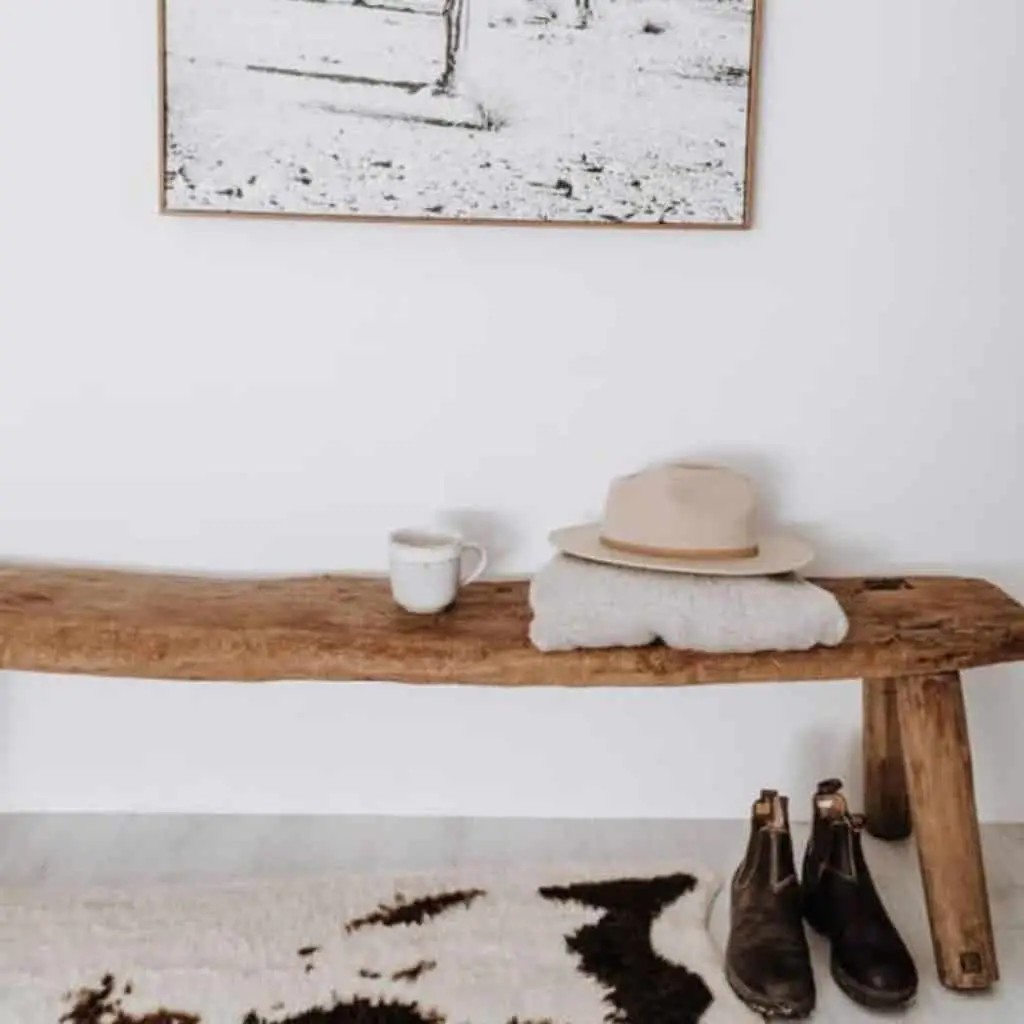
Wabi sabi interior design rejects the idea that everything needs to be perfect. Instead, it celebrates the imperfections that give pieces character, such as the knots in a bit of wood, peeling paint, or tarnished metal.
How to achieve this look
Try a piece of wabi sabi furniture made of natural wood. An unfinished table or stool that shows the wood’s grain and knots, maybe even still has bark, contributes more warmth and personality to your home than a mass-produced piece of furniture with perfect, clean lines.
Use Natural Materials
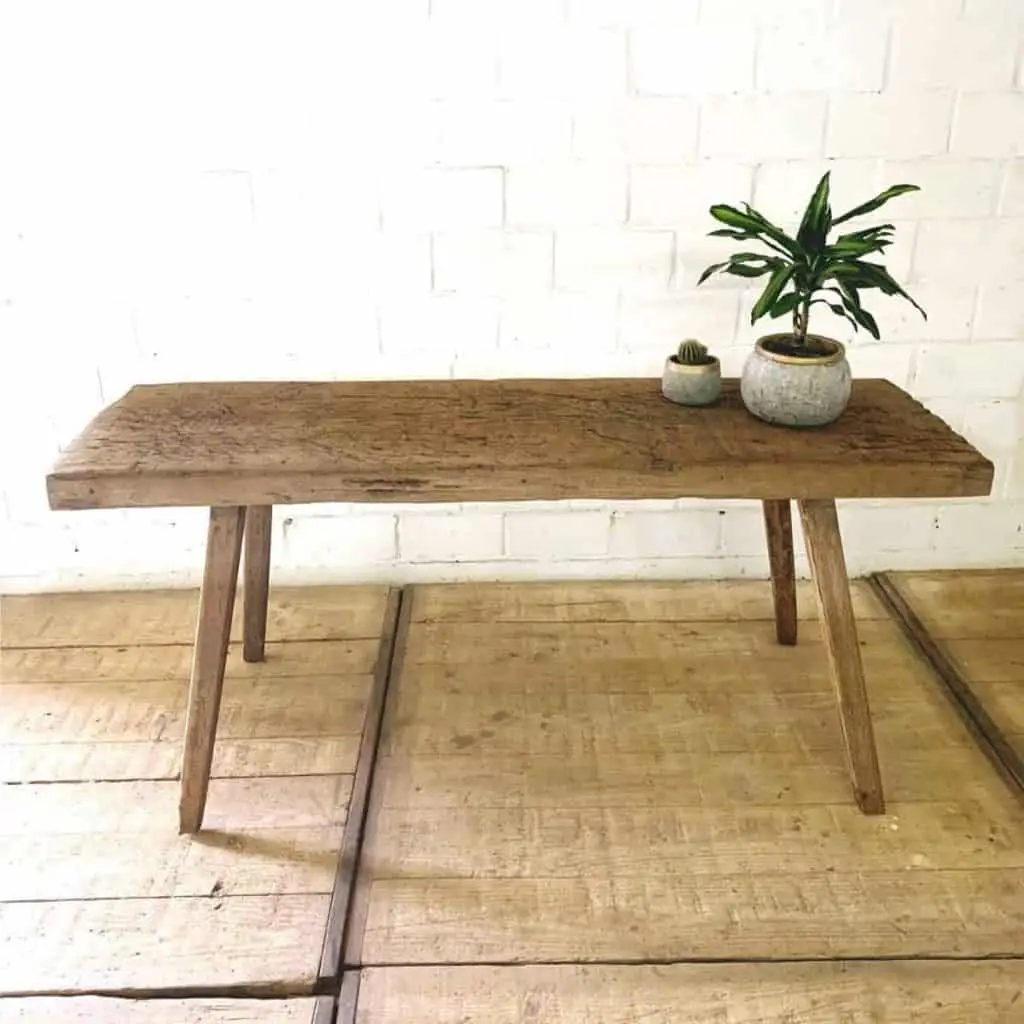
Wabi sabi interior design celebrates natural materials that will age gracefully. Instead of manufactured materials, the principle favours raw materials like wood, stone, and leather. These natural materials are sturdy enough to last but will visibly age and wear, adding more dimension to your wabi-sabi style house.
How to achieve this look
Instead of a mass-produced cutting board, opt for a hand-carved wood slab. A piece like this will last for your lifetime and beyond, and the wood will wear, stain, and age, bringing more wabi-sabi style into your home.
Embrace Asymmetry
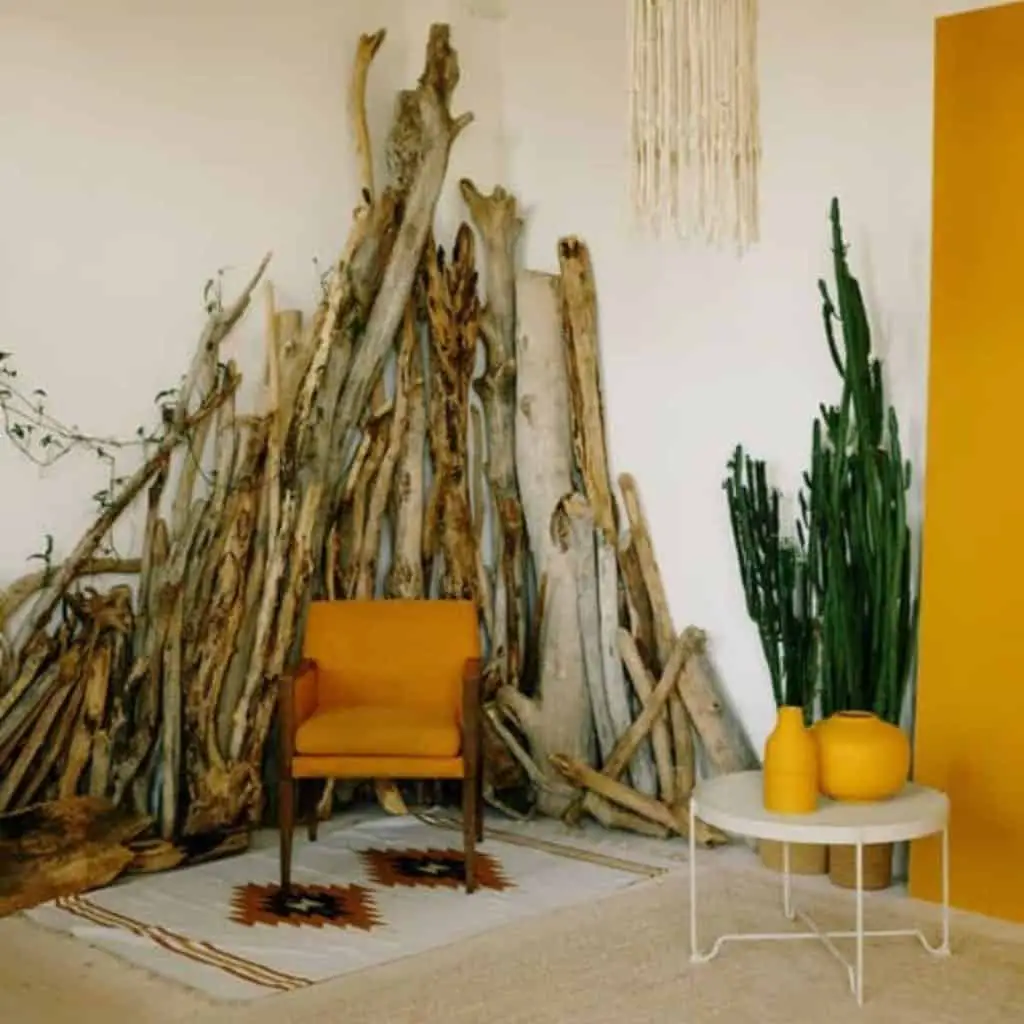
The Chinese Feng Shui design philosophy is all about finding perfect symmetry and balance. However, the wabi sabi interior design principles strive for asymmetry in the opposite direction. Besides, nothing is perfectly symmetrical in nature. So, a wabi-sabi room will contain asymmetrical pieces that celebrate the natural world.
How to achieve this look
Consider replacing your bowls with imperfect asymmetrical bowls. For example, hand-carved wooden or hand-thrown pottery bowls embrace the concepts of the Japanese design philosophy. Whether you use one as decor in your living room or fill it with your morning cereal, these asymmetric pieces will add to the peaceful feeling of your wabi-sabi home.
No products found.
Use a Palette of Earthy, Neutral Tones
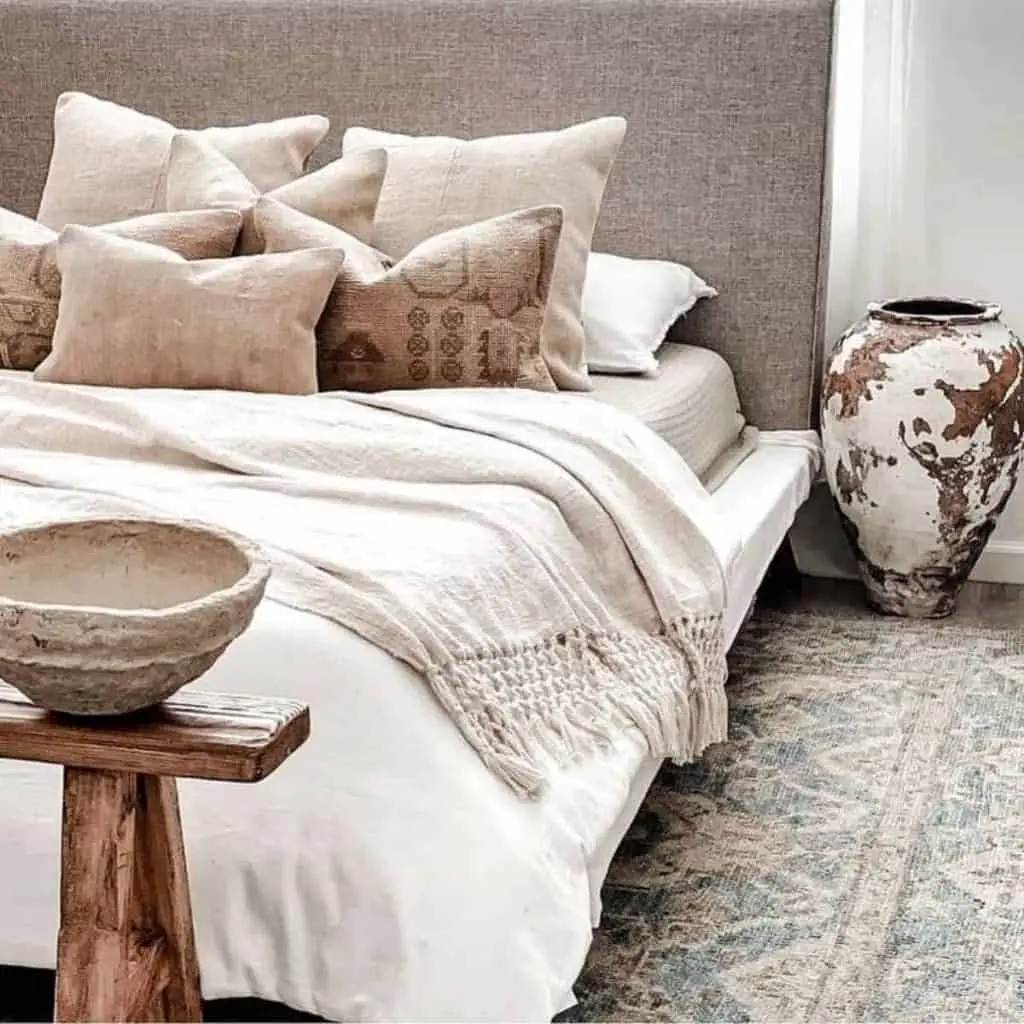
While a pop of colour here and there can add some interest to your living space, wabi sabi interior design uses mainly neutral tones. This is because Japanese walls were traditionally made of earth or mud, and this design style imitates this earthy feeling with a neutral colour palette.
How to achieve this look
Choose browns, greys, and earthy greens colours for paint, furniture, and textiles in your home. These colours will invoke feelings of calm. While some splashes of colour are welcome in a wabi-sabi room, brighter colours should be limited to accents, so they are not overstimulating.

- PROFESSIONAL QUALITY – Microblend paint is a professional quality, low VOC, low odor paint and primer with a silky smooth, luxurious finish.
- HIGH PERFORMANCE – Exceptional hide and self-leveling additives work hard so you don’t have to. Stain blockers and rust inhibitors keep walls and trim looking fresh. Exterior formulas feature additional UV protection.
- PROPRIETARY FORMULA – Our water-based acrylic resin formula cures hard for an extremely durable, stain resistant, scrubbable and washable finish.
- THE ONLY ON-DEMAND PAINT COMPANY – Microblend’s patented APM (automated paint machine) creates a fresh bucket of paint for each order, so every color, sheen and size is always in stock. We ship all orders within 1 business day and many the same day.
- 300+ COLORS – In flat, satin, eggshell, semi-gloss and gloss sheens, and in quart, 1-gallon, 2-gallons, & 5-gallons sizes. Each bucket is tested with a spectrophotometer ensuring incredibly consistent color bucket-to-bucket, for perfectly matched walls and invisible touch-ups.

- PROFESSIONAL QUALITY – Microblend paint is a professional quality, low VOC, low odor paint and primer with a silky smooth, luxurious finish.
- HIGH PERFORMANCE – Exceptional hide and self-leveling additives work hard so you don’t have to. Stain blockers and rust inhibitors keep walls and trim looking fresh. Exterior formulas feature additional UV protection.
- PROPRIETARY FORMULA – Our water-based acrylic resin formula cures hard for an extremely durable, stain resistant, scrubbable and washable finish.
- THE ONLY ON-DEMAND PAINT COMPANY – Microblend’s patented APM (automated paint machine) creates a fresh bucket of paint for each order, so every color, sheen and size is always in stock. We ship all orders within 1 business day and many the same day.
- 300+ COLORS – In flat, satin, eggshell, semi-gloss and gloss sheens, and in quart, 1-gallon, 2-gallons, & 5-gallons sizes. Each bucket is tested with a spectrophotometer ensuring incredibly consistent color bucket-to-bucket, for perfectly matched walls and invisible touch-ups.
Rid Your Home of Excess
One of the easiest ways to work toward a more wabi sabi interior design is to get rid of some of the things you already have. While buying new home furnishings can be exciting, packing your house full of furniture and decor will not help you achieve the down-to-earth aesthetic.
As stated before, less is more in wabi-sabi style house. A significant component of the design philosophy is finding contentment with what we already have. So, find the pieces you already own that you truly love. Then, give the others away, preferably to loving homes. Moreover, creating more space will help the elements you love shine and give your home a more calming atmosphere.
How to achieve this look
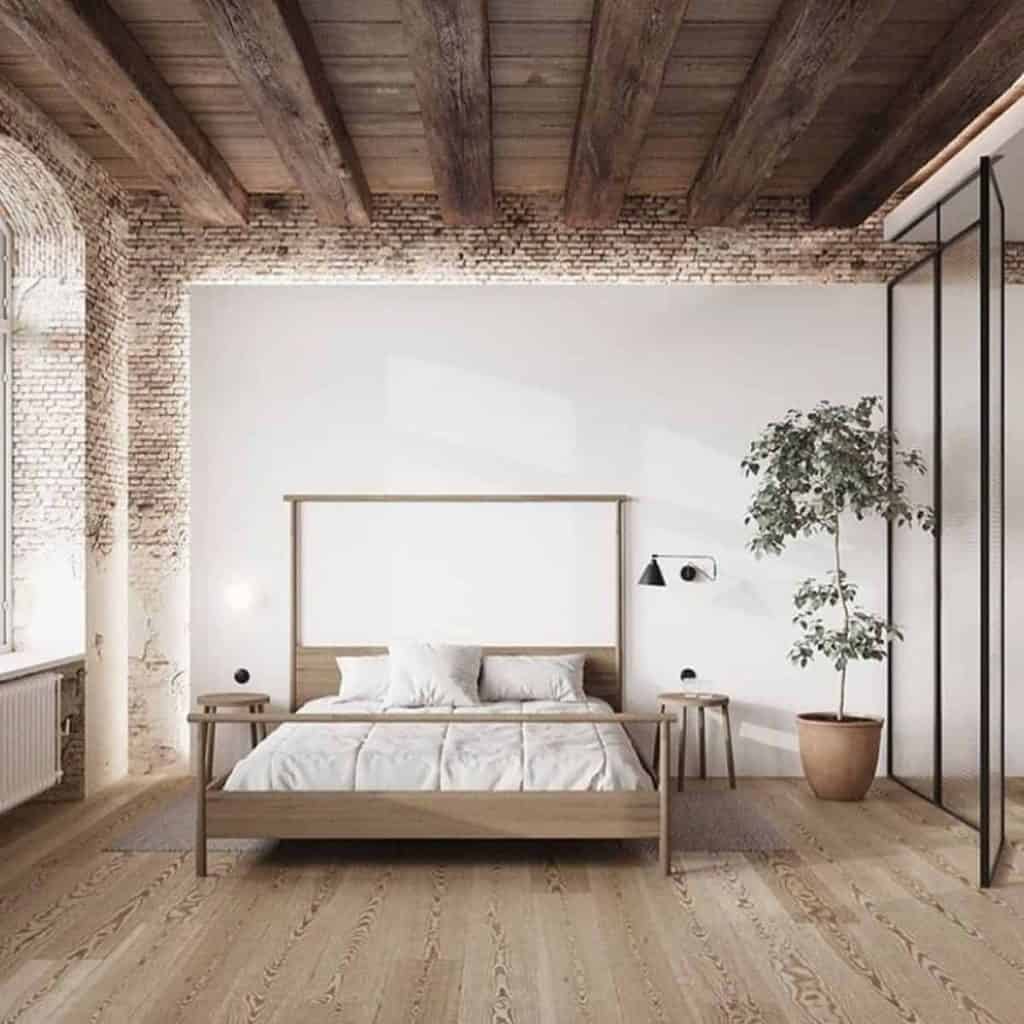
To create a wabi sabi bedroom design without purchasing new furniture, look at what you have and think about what you need. Of course, you will need key pieces like a dresser and sleeping place.
What can you get rid of? You could replace a wall full of framed pictures with one piece of art. You could also clear the top of your dresser of trinkets and replace them with flowers or branches. Simplify your space.

- A set of 60 branches of pampas grass includes 15 pcs of white pampas grass, 15 pcs of brown pampas grass and 30 pcs of Branch grass north reed.
- The whole height of the pampas grass is 44 cm/17,5 inches and the fluffy part’s height is 25-30 cm/9,8-11,8 inches, which makes it suitable for any vase style, including tall ones.
- Natural dried pampas grass perfectly suits for exterior and interior designs. It can be used for wedding boho decor and home flower arrangements; it is a suitable props for pompous and glamorous photoshoots.
- Since pampas grass is naturally grown and sun-dried, it has its individual look and color, which consists of 3 styles: 15 pcs of white branches, 30 pcs of light beige and 15 pcs of brown branches.
- It is recommended to place pampas grass in direct sunlight for a few hours to make it more fluffy, after which it should be gently blown with a hair dryer and treated with hairspray to remove shedding
Repurpose or Upcycle Pieces You Already Own
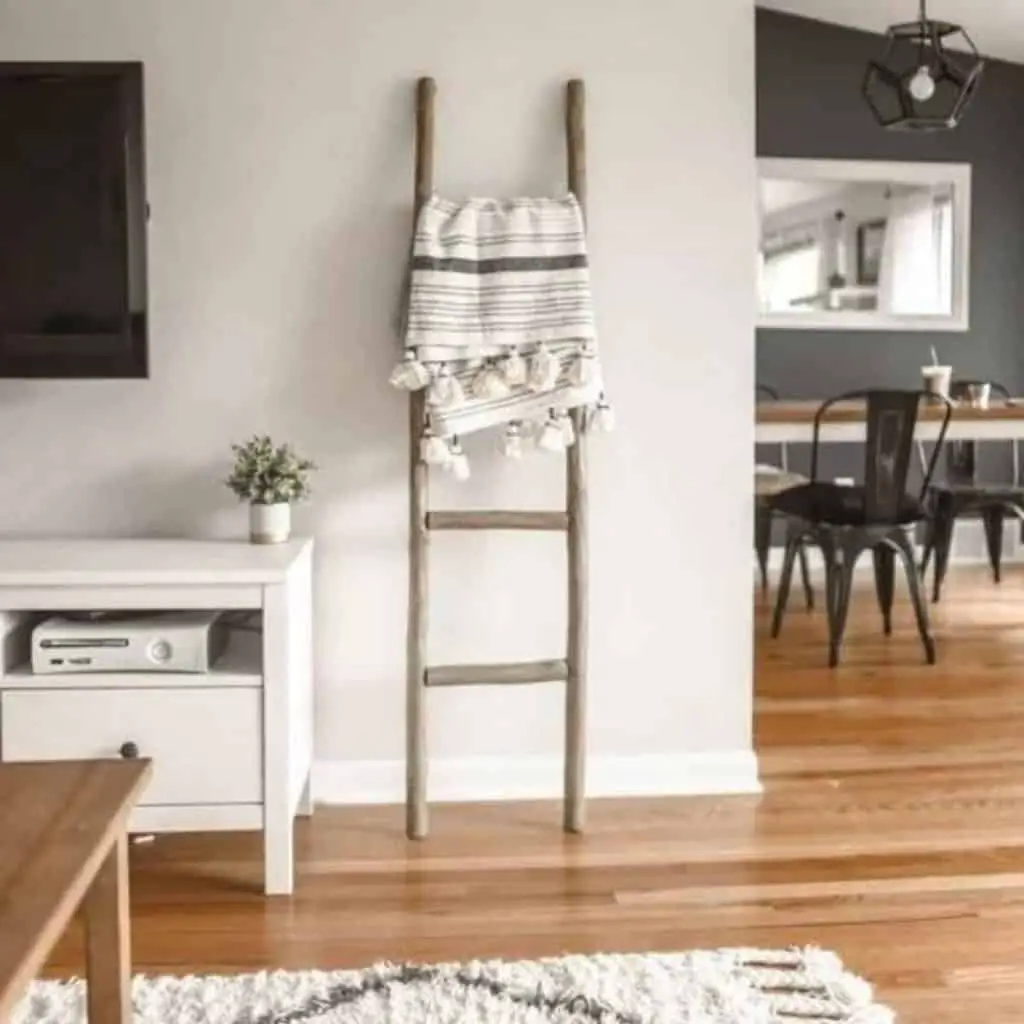
Wabi sabi interior design encourages finding new uses for old items. At its core, the philosophy calls for going further with appreciating what we already have and accepting our things no matter where they are in their life cycle. Maybe an item does not serve its original purpose anymore, but perhaps it can be used for something else.
How to achieve this look
Look at what unused items are in your home. Perhaps you were going to get rid of some old jars, or maybe a stool that isn’t quite sturdy enough to sit on anymore has been sitting in your basement waiting to be repaired. Could the jars be used as vases? Could the stool become an end table or nightstand?
Before you look to buy something, think of if you already own something that could serve the same purpose.
Find Beauty in Broken Items
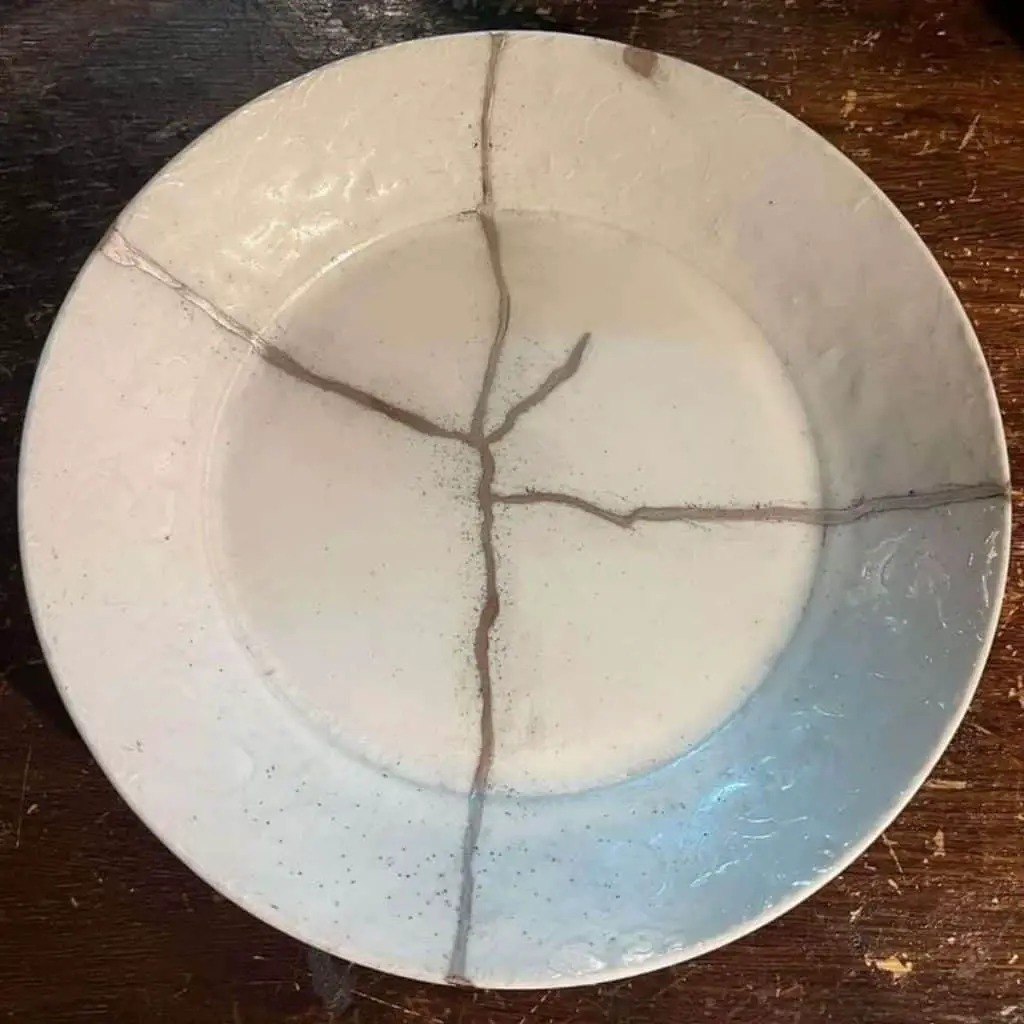
We are often inclined to throw things away as soon as it breaks. Wabi sabi interior design incorporates broken items, appreciating them just as they are.
Kintsugi is the Japanese art of glueing broken pottery back together using gold lacquer. The gold cracks where the piece was broken celebrate the flaw that makes it unique.
How to achieve this look
Resist the urge to throw something away as soon as it breaks. If the handle breaks off a pitcher, perhaps it can still be used as a decoration. Maybe you even want to try your hand at kintsugi, turning a broken bowl into a striking piece of art.

- KINTSUGI REPAIR KIT - Kintsugi kit includes 1x Detailed instructions,2x Practice Ceramic Cups,1x 25ml Kintsugi Glue, 2x 10g gold powder, 2 x brushes, 4 x mixing paper plates, 4 x gloves, 5 x stir stick, 1x wooden spoon. Enough for you to get the skill of kintsugi, also you can use it to repair several meaningful potteries.
- PRACTICE YOUR SKILLS - We provide 2pcs practice ceramic cups. Before you try the Japanese art of kintsug on your treasures, you can break the cups and try to fix them with the skill of kintsugi.
- WIDE APPLICATION - Kintsugi is a traditional Japanese craft! Kintsugi gold glue for ceramics and porcelain repair is a way of restoring broken ceramics, glass, stone, and woodwork. You can restore ceramics, bowls, cups, saucers, etc. for artistic creation.
- HOW TO USE - Prepare kintsugi glue with gold powder (glue must be stirred evenly to fully react), apply it on the broken ceramic, and bond. It is recommended to wait 24 hours to make sure it is fully repaired. Note: you need to swipe a layer of gold powder quickly after the gold glue has glued and fixed your porcelain. After the sweeping, it will give you a surprise.
- THE IDEAL GIFT - Our Kintsugi Repair Kit, carefully designed and crafted with premium quality in mind, is the perfect present for your loved ones.
Choose New Pieces with Intention
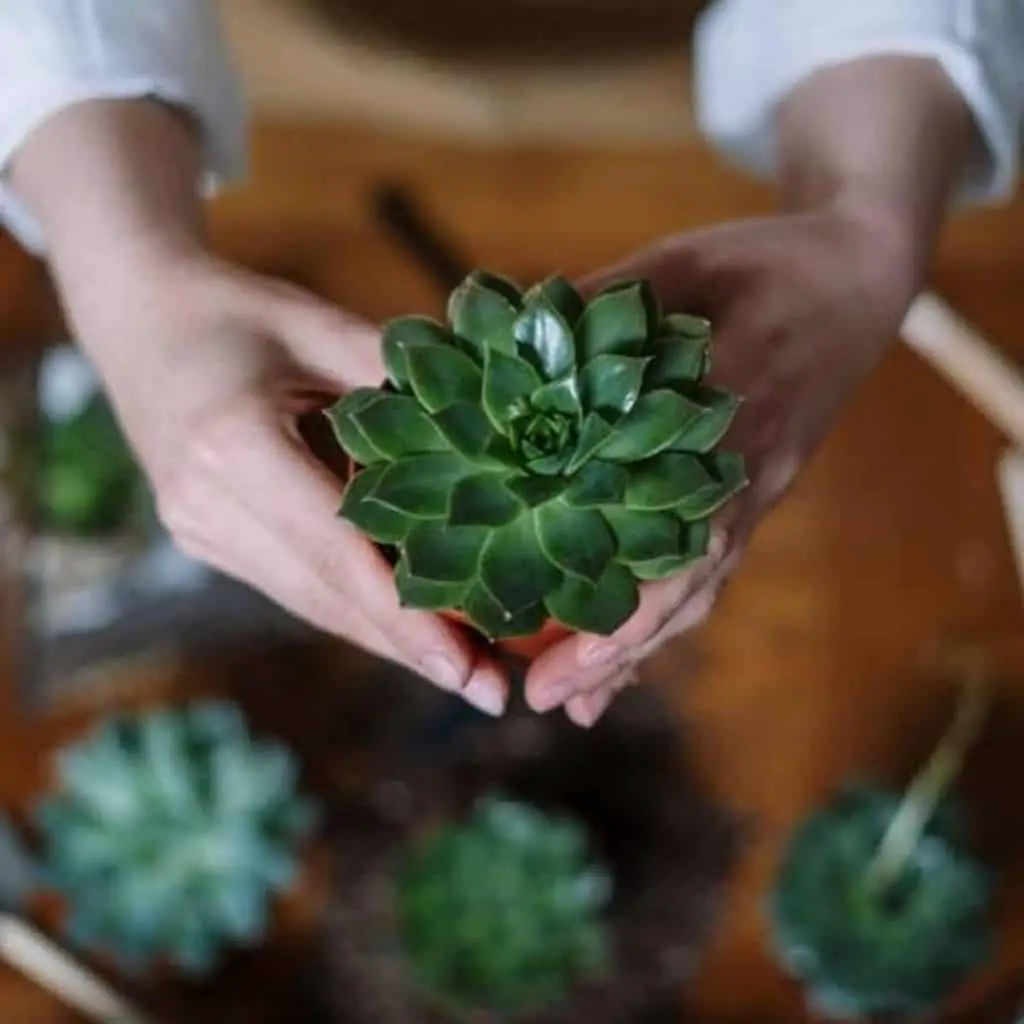
With all the products available at stores and online, it can be difficult not to impulse buy things that we like. Excessive buying leads to clutter in our homes which detracts from the feelings of peace and relaxation we strive for with wabi sabi interior design. Take time to consider how you will incorporate a new home furnishing and whether it will bring you joy.
How to achieve this look
Avoid buying something just because it is cute or attractive. Picture the item in your home and think about how it will contribute to your home and happiness.
Add Personal Touches
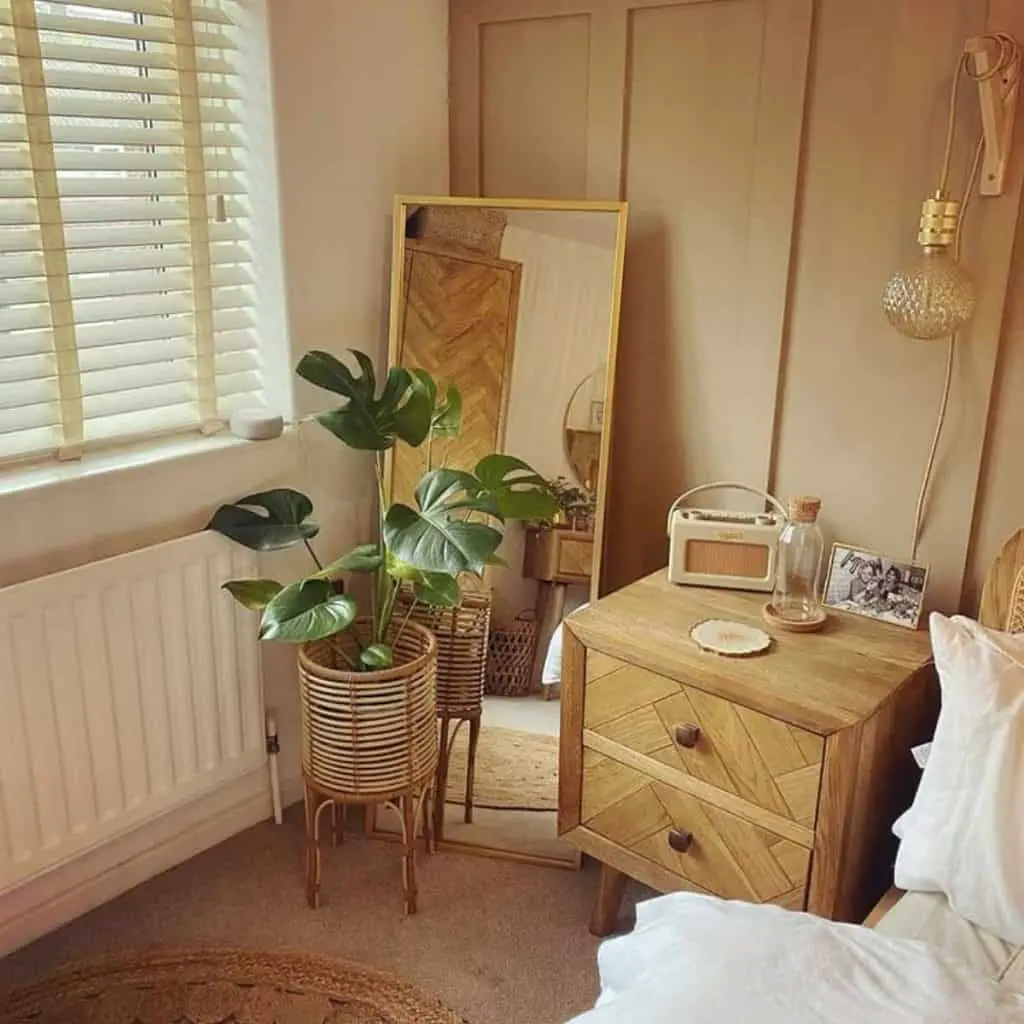
In wabi sabi interior design, homemade decor adds more warmth to a home than its store-bought counterparts. A child’s painting, a handmade macrame hanging on the wall, or a hand-thrown pottery vase contribute personal touches to your home.
How to achieve this look
Do you have a talent for painting, pottery, or another craft? Display your own art; it doesn’t need to be perfect! If you have friends or acquaintances who make wooden furniture or quilts, consider adding their pieces to your home instead of buying from a store.
Add Plants and Other Natural Elements to Your Home
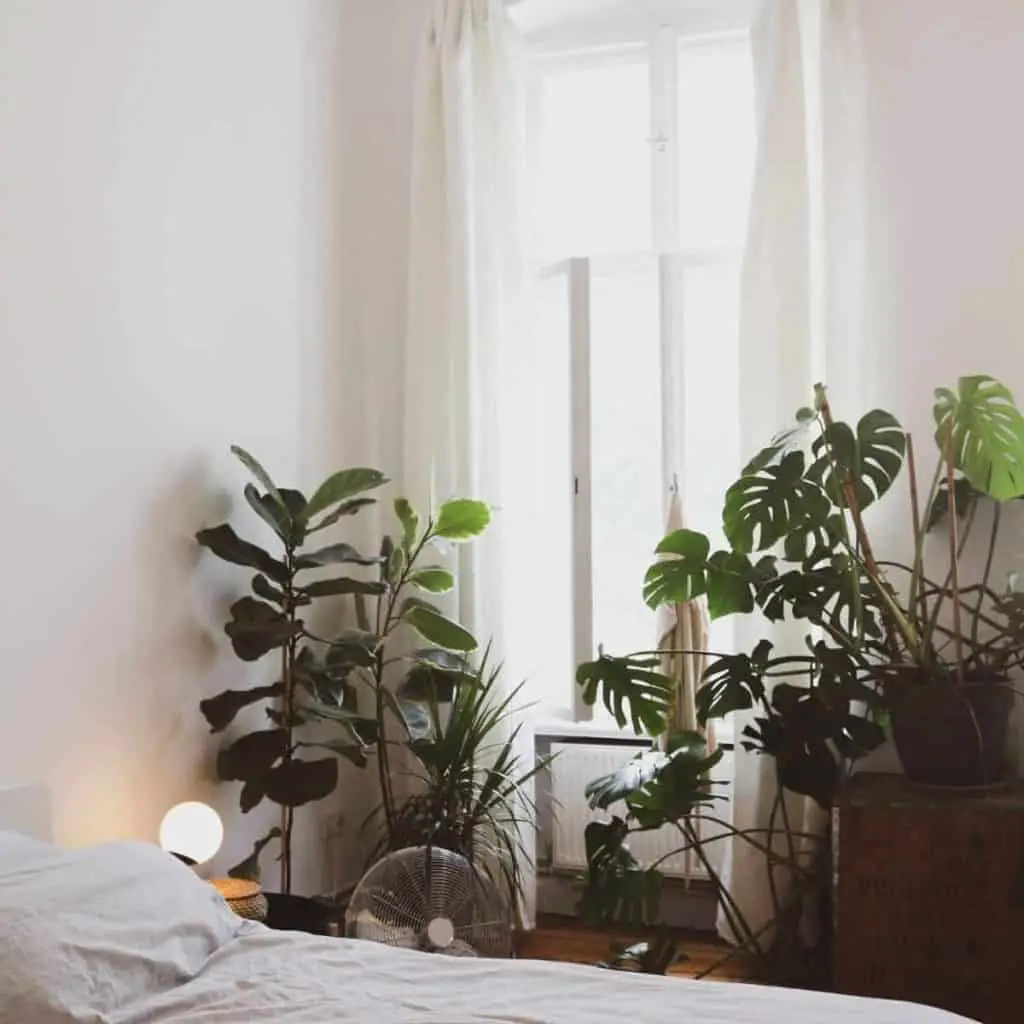
The imperfections of nature inspire wabi sabi interior design philosophy, so there is no better way to achieve it than to bring pieces of nature into your home. Wabi sabi living celebrates the natural asymmetry and imperfection of plants, stones, and other natural elements.
How to achieve this look
Go outside and forage for a natural element to add to your home. A simple branch or two in a vase adds a striking focal point to any room.

- 2 Pack of Small Exo Terra Forest Branches
- Natural and 3 dimensional branches
- Heat treated, Ideal for both rainforest and desert terrariums
- Sturdy; Great for reptiles to climb on
- This is a natural wood branch and the product weight/size/shape will vary

- Live Monstera Adansonii Plant – Features unique, perforated leaves that give it the nickname "Swiss Cheese Vine," adding tropical charm to any space
- Fast-Growing & Vining – Ideal for hanging baskets, shelves, or moss poles where it can trail or climb with bold, cascading foliage
- Thrives Indoors in Bright Light – Prefers bright, indirect light and well-draining soil; perfect for homes, apartments, and offices
- Easy-Care & Air-Purifying – Low-maintenance tropical houseplant that improves air quality while offering exotic style
- Great for Jungle-Inspired Décor – A favorite among plant lovers for building a lush, indoor oasis or adding texture to plant collections
Make Your Home Look Cozy
A home with wabi sabi interior design should look lived in, not sterile. It should be inviting and make you want to relax. While you don’t want much clutter, functional pieces like throw blankets and pillows add welcoming warmth to your space.
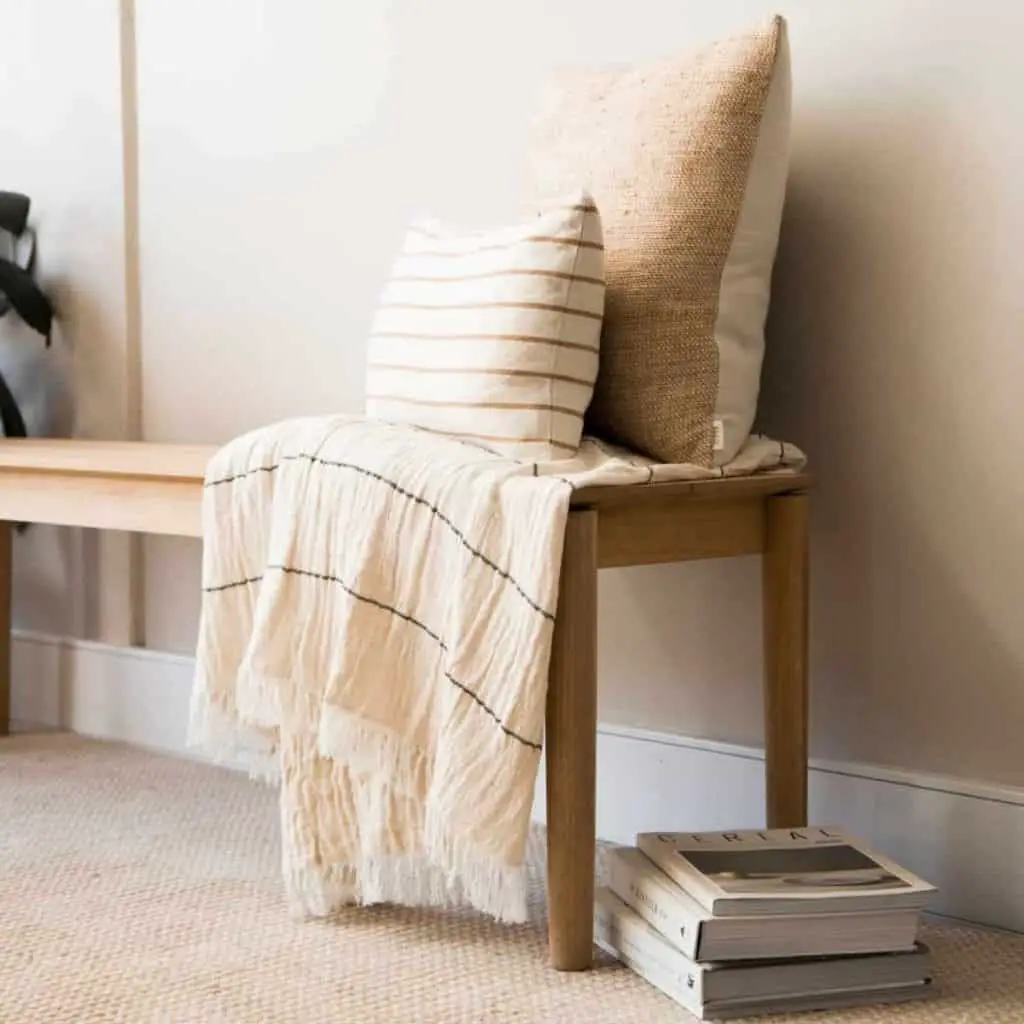
How to achieve this look
Add a hand-woven blanket to your couch. The lived-in feel will make your living room more inviting for yourself and guests to relax.

Stimulate Your Senses
Interior design focuses heavily on our sense of sight. Wabi sabi interior design principles seek to stimulate our other senses as well. Walking into a room filled with calming sounds, smells, and textures contributes to the relaxing atmosphere.
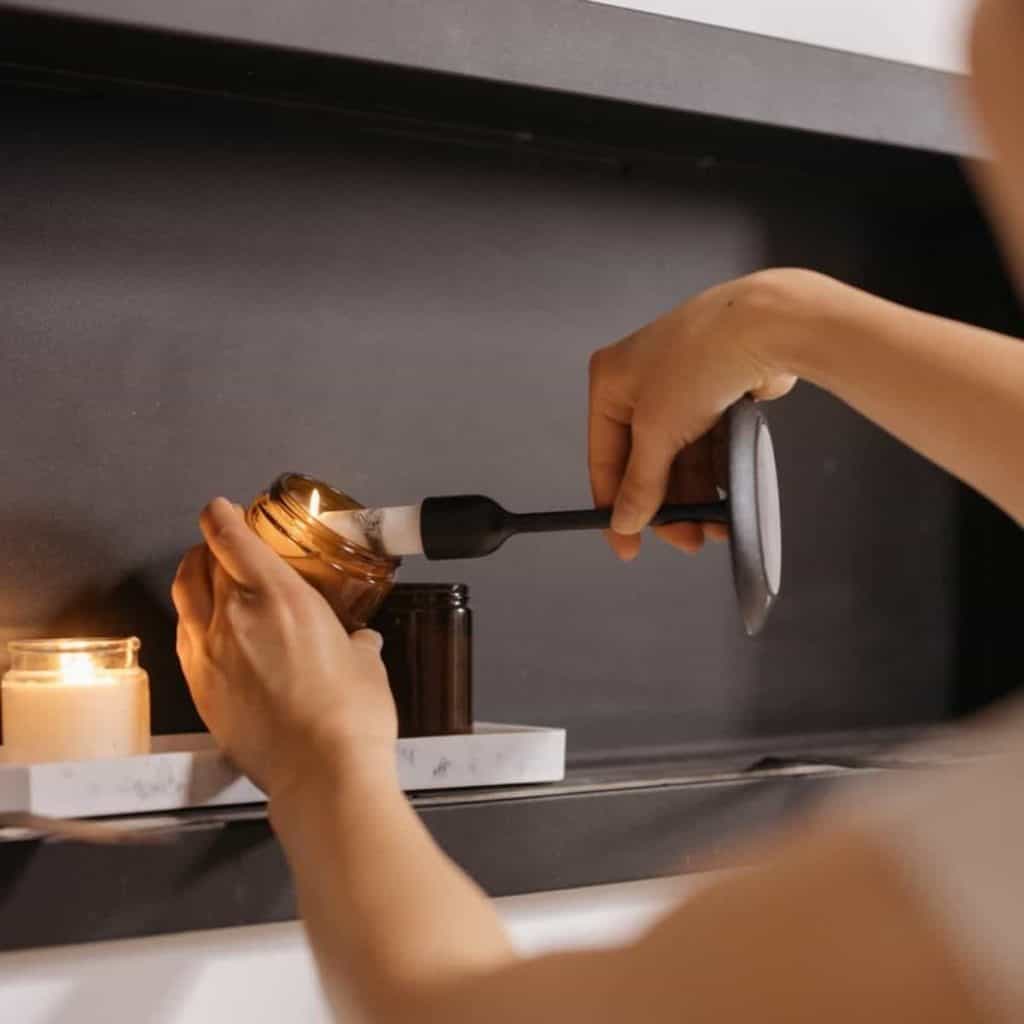
How to achieve this look
Here are some ideas on what to add to your home to stimulate your sense of hearing, sense of smell, and tactile sense:
- Sense of hearing: Add a water feature like a small trickling fountain. Play quiet ambient music.
- Sense of smell: Burn candles or incense.
- Tactile sense: Fill your room with different textures like wool and sheepskin.

- 🌊【Decorate the Desktop Fountain】: Brings a sense of serenity, Zen and decor to any room. 4 levels create a gentle and soothing stream that replicates the sights and sounds of a tranquil spring.
- 🌊【Easy to Use】: Silent, built-in, submersible pump automatic circulation of water. Insert the power plug into the socket to turn on the power, open the close switch can be closed, power can be recycled water
- 🌊【Art Design】: The unique design of the fourth floor, the slow flowing water is delicate and vivid, as if to bring the countryside full of vitality.
- 🌊【Reduce Stress】: Reduce stress at all times. Use it to relax, sleep, meditate, or practice yoga after a hard day.Put it in the baby's nursery so they can enjoy its sound and soft night light.
- 🌊【Material】: Home decoration is made of plastic material, safe and durable.Size (L * W * H): approx. 15.7x13x19cm / 6.18x5.11x7.48 inch.
